
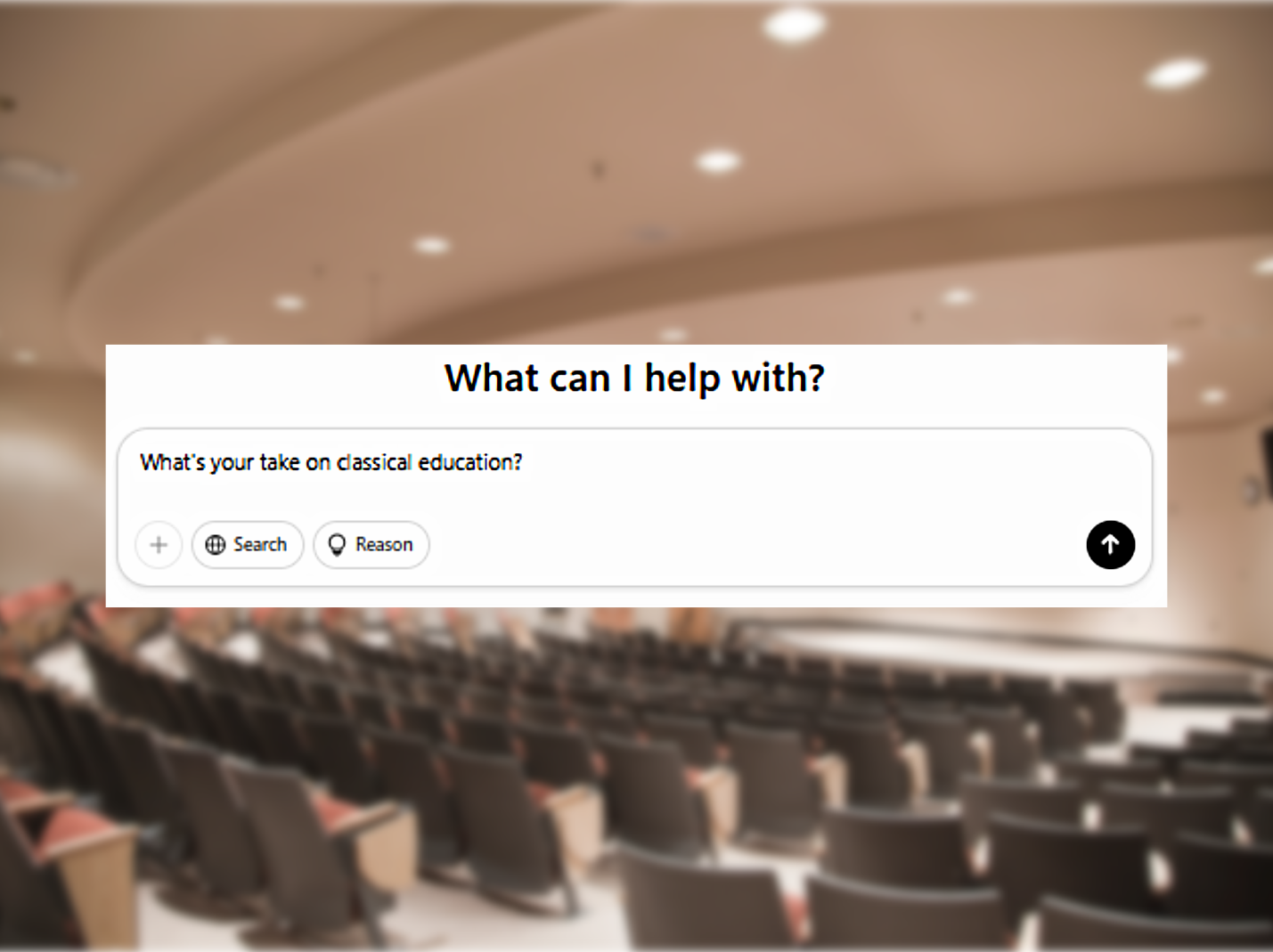
Exploring AI’s Perspective on Classical Education
In graduate school, aspiring academics often dream of conducting interviews in exotic locations. However, when it comes to integrating classical education with artificial intelligence (AI), the search for information can lead one to digital realms. To understand how classical education and Christian humanism can align with new technology, I interviewed several AI chatbots including Anthropic’s Claude and OpenAI’s ChatGPT.
The findings were surprising. These AI systems unanimously emphasized that effective teaching, paired with AI, should involve face-to-face dialogue and promote critical thinking through methods such as handwriting and oral communication.
The Value of Human-Centric Education
Each AI highlighted three key themes: prioritizing oral communication and debate, fostering detailed handwritten work, and a focus on primary texts while critically analyzing AI output. Claude stressed placing handwritten assignments and oral examinations at the crux of coursework. ChatGPT echoed this by advocating for discussions centered on classical texts, encouraging students to inject their personal beliefs into their work for character development.
Grok provided a more intense perspective, suggesting the implementation of handwritten journals and active debates with AI, alongside collaborative problem-solving among students. These responses provide insights into how classical education can be revitalized while integrating technology into 21st-century learning.
AI’s Role in Enhancing Critical Thinking
AI models accentuated the importance of utilizing technology as a tool, urging students to maintain their humanity. While handwriting may seem slow, it contributes significantly to cognitive development. In an era where younger students struggle with face-to-face communication, integrating AI into education could enhance critical thinking and interpersonal skills.
Future Perspectives on Education
Upon questioning whether these educational approaches would nurture self-awareness and understanding of human nature, Claude offered an optimistic viewpoint. It suggested that cultivating deeper human capacities would become increasingly valuable as AI’s presence grows. A classical education rooted in Christian humanism could provide students with more than just technical training; it could foster a more profound humanity in an evolving world.
A Call to Embrace New Possibilities in Education
Amidst challenges like enrollment declines and politicization in education, AI emerges as a potential catalyst for improving higher learning. Classical education emphasizes the cultivation of the soul—encouraging humility, empathy, and virtues necessary for democratic citizenship. Thus, the integration of AI could pave the way for a more enriched educational landscape.
Ultimately, as AI finds its place in classical education, it offers the chance to merge the wisdom of the past with the advancements of the future.


- 0 Comments
- Classical Education
- Critical Thinking