
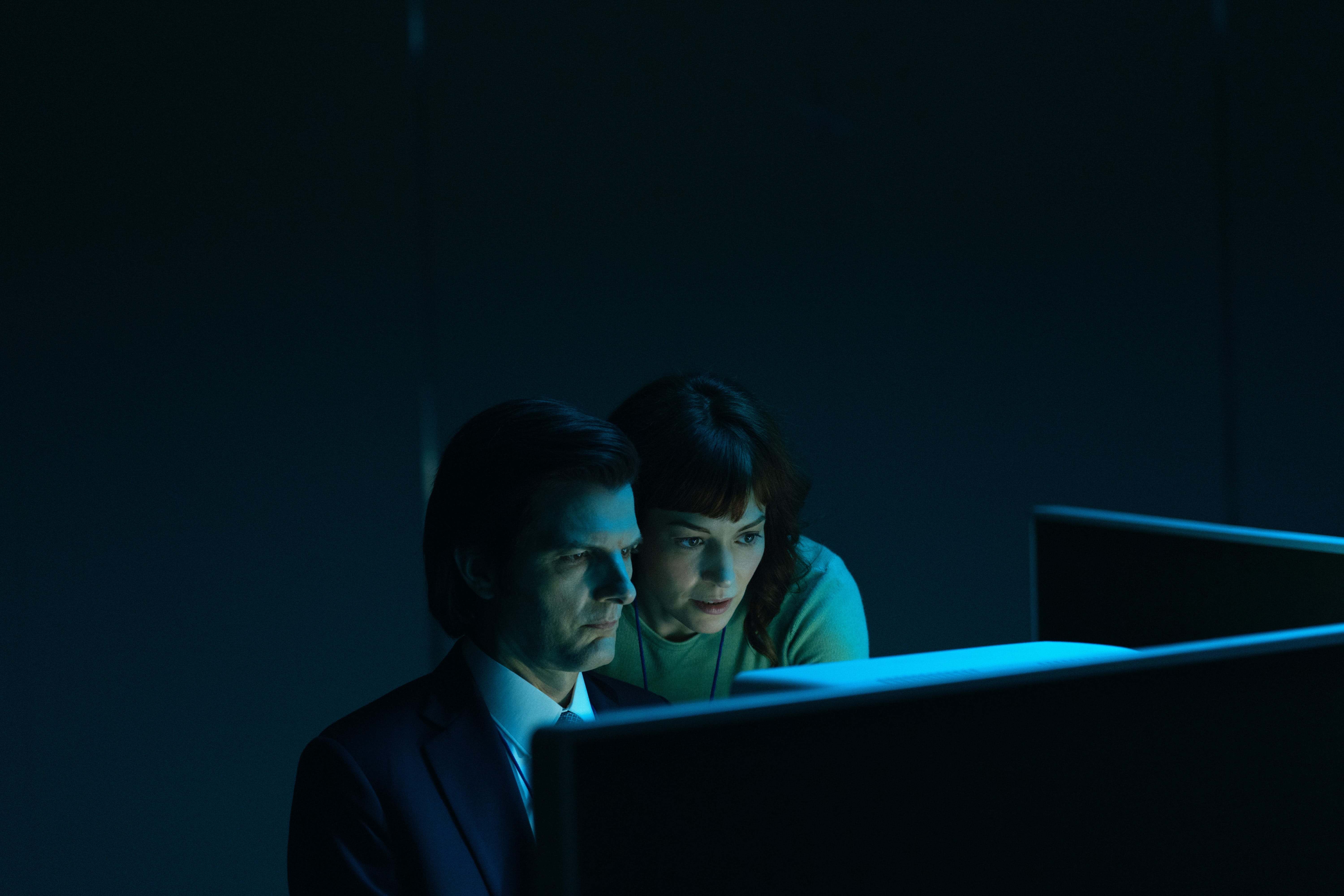
Exploring the Cultural Commentary of ‘Severance’ Season 2
In its second season, which concluded Friday, the show did more than offer a surrealist satirization of America’s obsession with work-life balance.
Spoiler alert: This story contains details from “Cold Harbor,” the Season 2 finale of “Severance.”
What would you do to escape your pain? Apple TV+’s “Severance” offers a chilling exploration of that very dilemma. The show follows a team of Lumon Industries employees whose consciousness has been split between their work life and personal life, thanks to a chip implanted in their brains. It’s a deeply intriguing premise that raises questions about our relationship with both work and technology.
Technology and Its Impact on Humanity
In its latest season, “Severance” presents a thought-provoking portrayal of grief, love, and the lengths we go to compartmentalize our emotions. This season culminates in episodes that not only critique the work-life divide but also mirror the existential crises many face in the age of technology.
As technology becomes more interwoven with our everyday lives, it often poses as a solution to issues it has exacerbated. For instance, a loneliness epidemic declared by the US Surgeon General highlighted technology as a contributor, raising ethical questions regarding our digital interactions.
The Dilemma of Self-Identity and Relationships
Protagonist Mark Scout, played by Adam Scott, chose to undergo the severance procedure to escape the pain of losing his wife. This choice leads to a complex narrative that probes the boundaries of self-identity and the impact of emotional detachment.
In a poignant scene from the season finale, Mark’s different selves confront each other on the choices they have made, revealing the deep emotional scars they carry and how technology complicates their relationships.
A Warning for the Future
“Severance” serves as a reminder of our increasing reliance on technology and the potential ramifications it holds for emotional well-being. The show cautions viewers to consider the implications of compromising our humanity for the allure of convenience.
In conclusion, as we find ourselves navigating an increasingly digital world, it’s crucial to recognize our own identities beyond technological interfaces. “Severance” encapsulates this struggle and beckons us to delve deeper into what it truly means to be human in the modern age.


