
Examining the Recent AI Innovations in Gaming
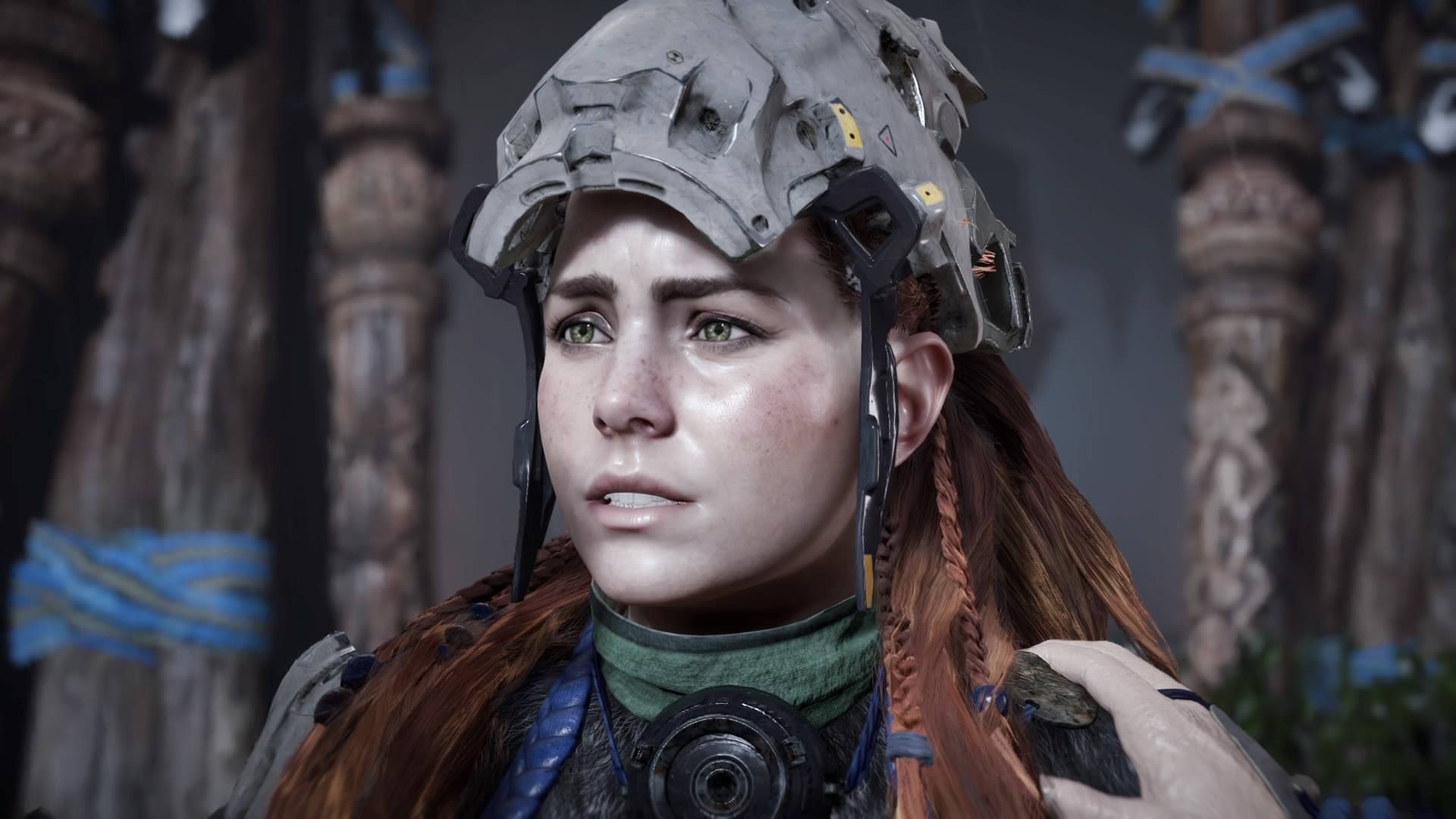
The world of video gaming is witnessing groundbreaking advancements in artificial intelligence (AI), prompting discussions about future trends and potential drawbacks. A recent leaked tech demo from Sony introduced an AI-generated character, Aloy from Horizon Forbidden West, engaging in a conversation with an unseen human. While the technology showcases the progress made, it has reignited debates about the importance of storytelling in gaming.
Critics argue that the tech demo lacks the depth and nuance that human writers bring to character development. Video games are often lauded for their narratives, which create emotional connections with players. The introduction of AI-driven characters, while innovative, raises questions about whether these creations can match the emotional resonance of human-crafted dialogue.
Why Writing Matters in Video Games
Video game writing plays a pivotal role in player experience. Games like Portal 2 expertly illustrate how clever writing can elicit a range of emotions, as seen when Wheatley humorously states, ‘This is the part where I kill you,’ right after another character foreshadows it. Such timing and delivery are crafted through human understanding of narrative flow and comedic timing, something AI currently struggles to replicate.
While some may appreciate the novelty of AI characters, they cannot substitute the intricate work of writers who weave complex narratives that resonate with audiences. Even games recognized for poor writing can achieve a level of charm, often becoming memorable due to their unique quirks, further emphasizing the significance of human input in gaming narratives.
AI Technology’s Role in Gaming’s Future
Despite criticism, it is evident that AI technology is here to stay in the gaming industry, with major corporations exploring its applications. As companies prioritize cost-effectiveness, AI’s role may expand, posing a risk that commercial interests could overshadow creativity and storytelling quality.
Industry professionals like Ashly Burch, the voice of Aloy, express concerns about the implications of such technologies on the industry and the potential for a future dominated by AI characters. The latest developments serve as a stark reminder that while AI advancements can enhance certain aspects of gaming, they should not replace the heart of what makes video games engaging: human creativity and storytelling.
As gamers and creators, the challenge will be to find a balance between leveraging technology and preserving the art of game design that prioritizes meaningful narratives and emotional engagement.


- 0 Comments
- Gaming Innovations
- Video Game Development