
AI Cameras Crack Down on Distracted Driving in Minnesota
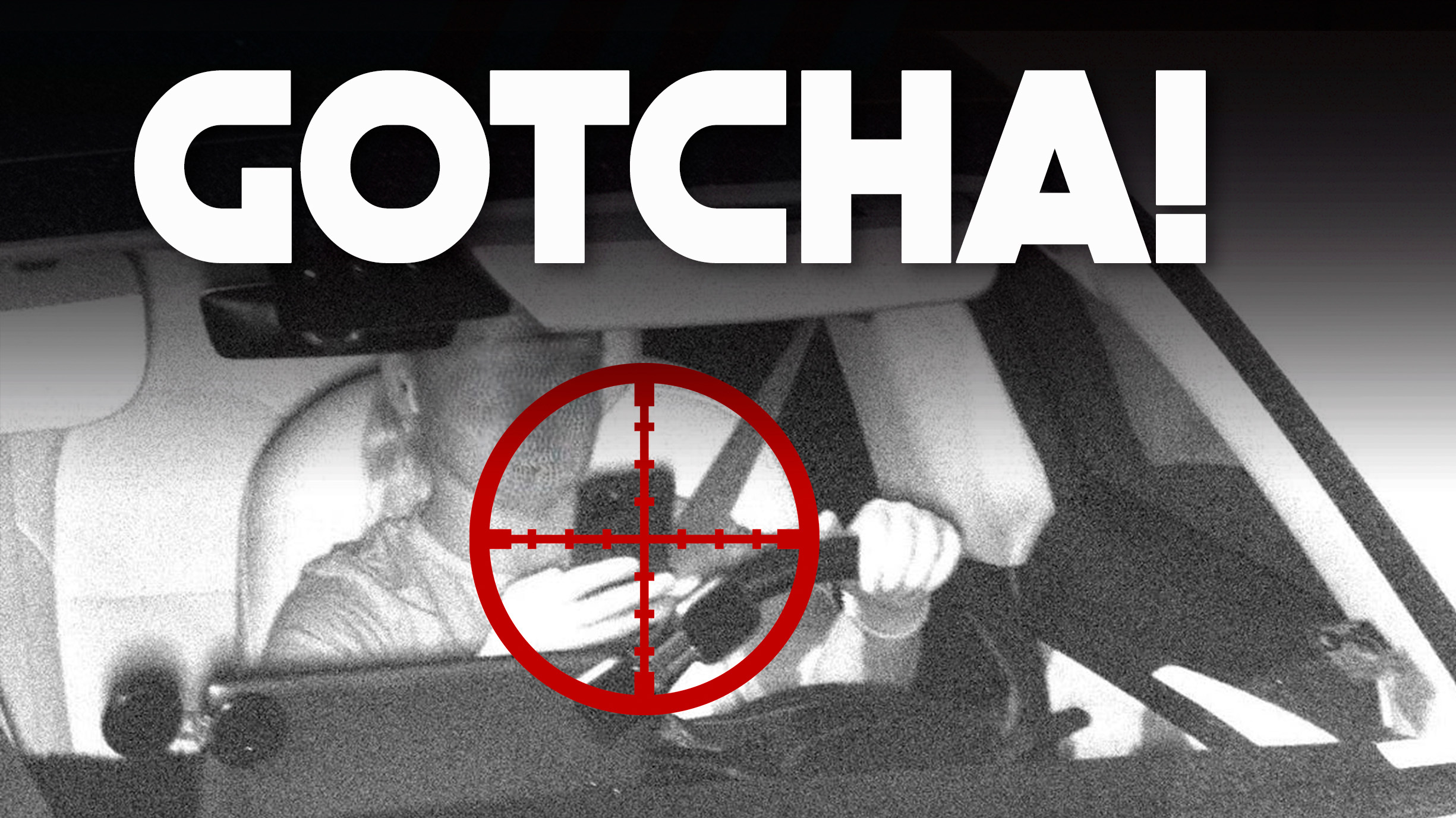
In an effort to enhance road safety, the South Lake Minnetonka Police Department in Minnesota has implemented state-of-the-art AI cameras to identify distracted drivers and promote compliance with seatbelt regulations. The initiative, which began at the start of this year, has already recorded a staggering 10,000 violations in just February.
According to local reports, the AI camera system has proven effective in catching drivers engaged with their phones or not buckled up while driving. The South Lake Minnetonka PD’s Acusensus Heads-Up Camera Enforcement System detected these violations predominantly along Highway 7. Despite the high number of detected infractions, only 300 warnings and citations were issued, as the enforcement focuses on educating drivers.
How Do These Cameras Work?
The AI cameras are equipped with infrared technology, allowing them to operate effectively in both daylight and darkness. Unlike traditional speed cameras, these AI-driven systems do not automatically issue tickets. Instead, they collect evidence, which is then reviewed by law enforcement positioned further down the road to determine whether a citation should be issued.
‘We are dedicated to enhancing safety on our roads and this technology allows us to keep a vigilant eye on distracted driving,’ said a spokesperson from the South Lake Minnetonka Police Department.
Drivers found in violation could face a $100 fine for their first offense, with fines escalating for repeat infractions. Importantly, the evidence is deleted if it is not forwarded to law enforcement shortly thereafter.
A Broader Trend
This initiative in Minnesota is part of a larger movement, as law enforcement agencies worldwide increasingly harness AI technology to enforce traffic regulations. Past practices are evolving as a result of the growing concerns surrounding distracted driving and its role in road accidents.
As more AI systems are integrated into traffic enforcement, the hope is to decrease the instances of distracted driving, save lives, and develop safer driving environments for all.


- 0 Comments
- Distracted Driving