The Rise of Generative AI in Visual Arts
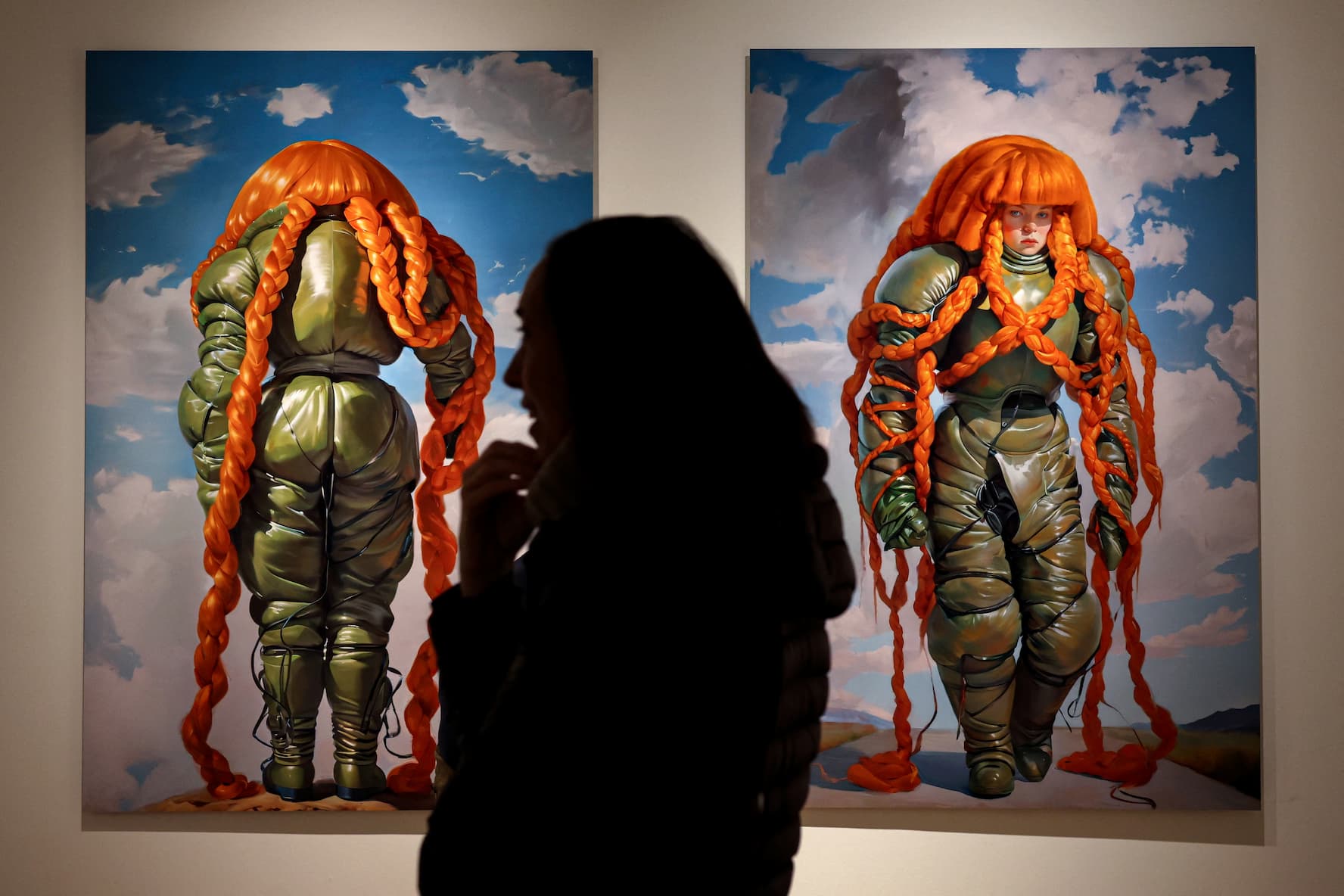
The global generative artificial intelligence (GenAI) art market is expected to grow by 42% through 2029, reaching an estimated size of over $2.5 billion. With the rapid innovation and democratization of platforms like DALL-E and Midjourney, the art marketplace has already seen a substantial influx of AI-generated works.
ChatGPT’s Impact on Art Creation
Recently, ChatGPT’s latest version allowed users to turn personal photos into styles resembling beloved Studio Ghibli films, resulting in over 15 million average weekly users. This surge has rekindled debates over the ethical implications of GenAI’s training on existing artists’ works.
Concerns Among Artists
The introduction of AI into the art world has sparked controversy, especially regarding artists’ rights. In February, Christie’s hosted the first AI art auction, which faced backlash from over 6,500 signatories calling for its cancellation, accusing AI art firms of engaging in ‘mass theft.’
Copyright in the Age of AI
U.S. Copyright Law stipulates that works may be copyrighted if they are deemed original authorship. However, the rapid rise of GenAI challenges this definition, as outputs generated solely by AI lack human authorship. A recent report from the Copyright Office suggested that while guidelines are in place, they do not sufficiently address the nuances introduced by AI-generated content.
The Fair Use Doctrine
Another pressing issue is the application of the Fair Use doctrine in training GenAI models. AI developers continue to argue that using copyrighted works for training falls under this doctrine, yet, the Copyright Office remains silent, leaving creators vulnerable and unsure of their rights.
Future Directions
As AI continues to evolve, the distinction between human-created and AI-generated art blurs. Potential solutions may involve the establishment of a new copyright category acknowledging human-AI collaboration. It remains crucial for policymakers to address these timely issues to protect artists and ensure fair compensation in this rapidly changing landscape.
Conclusion
Without robust copyright protections, the unchecked growth of AI-generated content could devalue human creative efforts. The future of the art world may hinge on how effectively we navigate these challenges together.


- 0 Comments
- Creative Industry
- Visual Arts