
Understanding the Threat AI Poses to Agency Data
As technology continues to evolve, so do the threats it poses. A recent report highlights a pressing issue: both public and private sector employees are dumping sensitive organizational data into unvetted artificial intelligence models. This practice poses significant risks, particularly as many agencies lack proper understanding and protections against potential AI vulnerabilities.
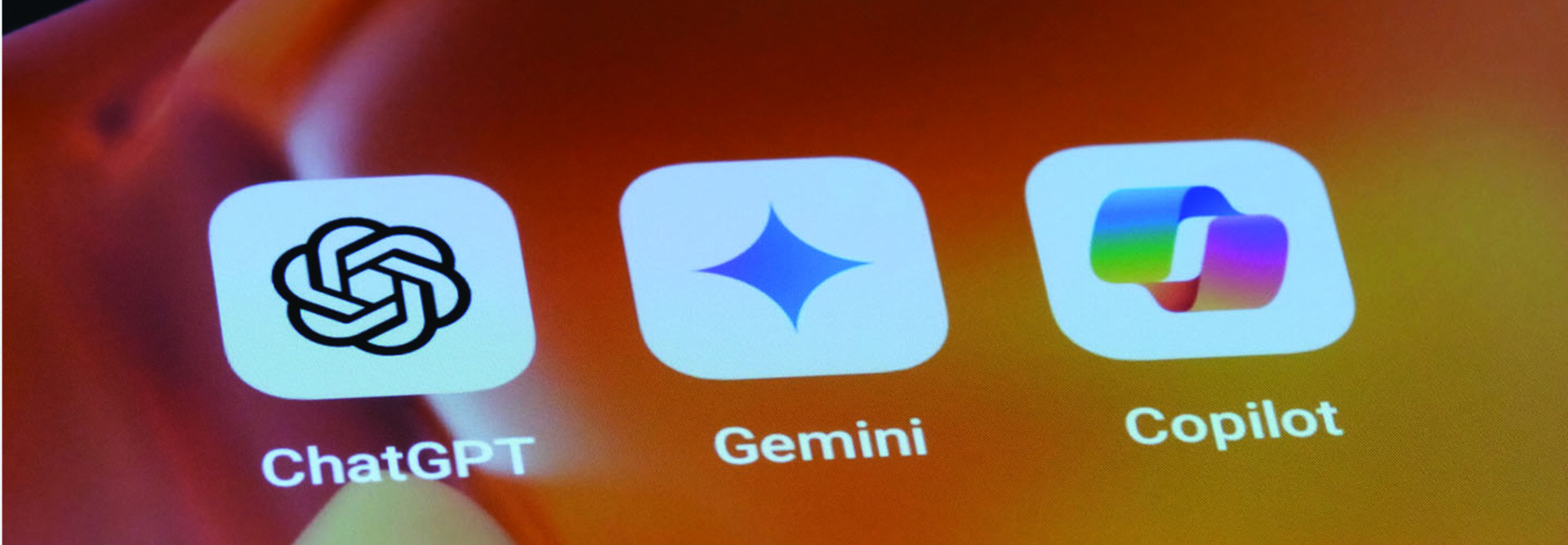
The use of generative AI tools, such as ChatGPT, is increasingly common; however, without sufficient scrutiny, these programs can become glorified data mining operations. The danger is clear: sensitive data could easily become public if not properly safeguarded.
Controlled Unclassified Information (CUI) is particularly concerning, as it may not only pertain to national security but can also disclose the locations of critical assets. Agencies must adopt a proactive approach similar to traditional cybersecurity efforts to mitigate these risks.
Properly Vetting AI Solutions
Mitigating these risks requires agencies to vet AI solutions rigorously, just as they would analyze any other threats. In a notable initiative, the Department of Defense has developed NIPRGPT, a system designed to protect CUI while allowing personnel to access non-classified networks.
With upcoming federal guidance on AI security anticipated but perhaps delayed due to changing political landscapes, agencies should closely monitor best practices from the National Institute of Standards and Technology (NIST) and other rapid response agencies. This collaboration is vital for improving overall data security strategies.
In conclusion, the current landscape emphasizes the importance of vigilance and proactive measures in ensuring that sensitive data remains protected amidst the growing reliance on AI technologies.


- 0 Comments
- Federal Regulations