
SAN JOSE, Calif. — Local and state governments can consider using their procurement processes to require technology vendors to disclose more information about the environmental impacts of artificial intelligence (AI) tools.
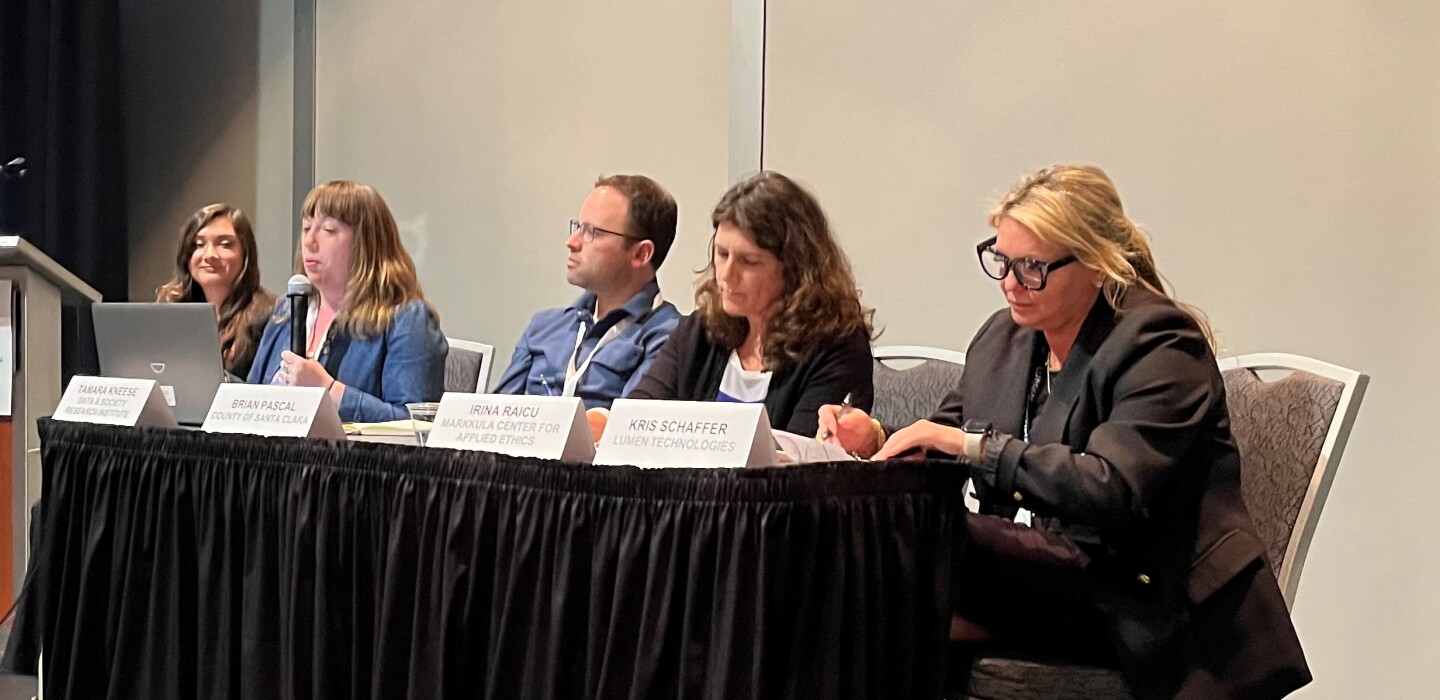
Irina Raicu, director of the Internet Ethics Program at the Markkula Center for Applied Ethics at Santa Clara University, emphasized the need for transparency during a panel discussion at the GovAI Coalition Summit held in San Jose. She stated, ‘Ask them to disclose their energy usage and water usage. Put it in a contract, and see what happens. Is that company really going to not want to work with you, rather than not disclose their usage?’
As the use of AI technologies such as ChatGPT and other applications grows, so does the strain on data centers and the resources required to maintain them. Leila Doty, privacy and AI analyst in the San Jose Information Technology Department, mentioned that a single query to a large language model in ChatGPT consumes six to 10 times more energy than a traditional web search. Moreover, training these models can lead to significant water consumption.
Brian Pascal, a policy adviser for Supervisorial District 5 in Santa Clara County, reinforced these concerns, stating, ‘It’s not free. There’s a cost associated with all of this,’ emphasizing the importance of recognizing the environmental costs inherent in AI’s operational demands.
Raicu added that government adoption of AI tools could undermine sustainability efforts, warning, ‘Every time you use generative AI, you have to know that you are pushing in the opposite direction.’ Understanding these trade-offs is essential for governments to make informed and ethical decisions regarding AI technology.
The GovAI Coalition Summit brought together various stakeholders to address these pressing issues, demonstrating a growing awareness of AI’s environmental implications.


- 0 Comments
- Government Policy