Creating Ghibli-Style AI Videos with ChatGPT: A Hidden Trick
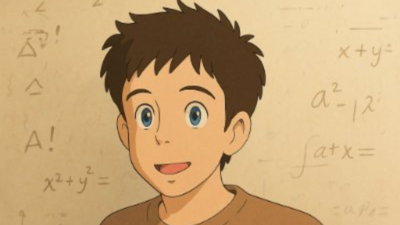
In recent weeks, Studio Ghibli-style AI-generated images have taken social media by storm, capturing the imagination of users eager to share their animated, hand-drawn-style portraits. This trend has been bolstered by OpenAI’s GPT-4o, which has unveiled new native image generation capabilities that enable more precise and visually stunning AI artwork.
While OpenAI’s text-to-video generator, Sora, offers high-quality AI video production, it remains a premium service, available solely to subscribers for a $20 monthly fee. However, industrious users are discovering creative workarounds, allowing them to produce similar Ghibli-style AI videos for free using ChatGPT. As this exciting trend unfolds, it is attracting attention alongside concerns regarding copyright, igniting discussions about the legality and ethics surrounding AI-generated artworks.
How to Generate Ghibli-Style AI Videos
To produce Ghibli-style AI-generated videos, users typically rely on OpenAI’s Sora. However, with limited accessibility, many are turning to ChatGPT’s native image-generation and Python scripting capabilities to achieve similar results. A notable Reddit user, u/TheKlingKong, recently unveiled a technique to create frame-by-frame Ghibli-style AI videos, prompting others to explore the possibilities.
The method includes instructing ChatGPT to generate sequential images and utilizing its built-in Python functionality to stitch these images into a short MP4 video.
- First, open ChatGPT on a version that supports image generation and Python coding.
- Then, provide a detailed prompt, such as: ‘Create 10 images in Studio Ghibli style. Frame by frame, animate a character pulling out a folded piece of notebook paper. After all images are complete, use Python to stitch them together and save the result as a 5 FPS MP4 video.’
- Finally, download the video output once ChatGPT has processed the images and converted them into a video file.
Note that due to OpenAI’s limitations for free users in high-resolution image generation, the final results are often truncated to short clips or GIF-formats rather than full-length videos. For those willing to opt for Sora, the service offers the ability to create higher-quality 1080p Ghibli-style videos lasting up to 20 seconds in various aspect ratios.
Create Studio Ghibli-Style Images Using ChatGPT
If static Ghibli-style images are of more interest, OpenAI’s ChatGPT also enables users to convert photos or generate entirely new illustrations in the iconic Japanese animation studio’s style. To create Ghibli-style images with ChatGPT:
- Open ChatGPT via website or app.
- Upload an image or describe the desired scene.
- Provide a prompt, such as: ‘Turn this image into Studio Ghibli style.’ or ‘Create a Ghibli-inspired landscape with soft colors and dreamy lighting.’
- Wait a moment for ChatGPT to generate the image.
These AI-generated images encapsulate Ghibli’s hallmark artistry, characterized by hand-drawn aesthetics, gentle color blends, and rich storytelling elements.
Popularity of Ghibli-Style AI Art on Social Media
Since OpenAI has launched image generation capabilities within GPT-4o, the social media realm has witnessed a significant surge in AI-generated Ghibli-style artwork. The popularity of this trend is reflected in users reimagining their photos, pets, and even famous landmarks in the distinctive style. OpenAI CEO Sam Altman even joined the fun by changing his profile picture on X (formerly Twitter) to a Ghibli-inspired AI portrait.
Copyright Concerns Surrounding AI-Generated Ghibli Images
As the excitement surrounding AI-generated art grows, so do concerns regarding potential copyright infringement. OpenAI models utilize vast datasets for training, sparking debate over whether these AI-generated images that mimic renowned animation styles infringe upon established intellectual property rights. Current legal actions involving OpenAI include:
- The New York Times lawsuit for unauthorized use of its articles for AI training.
- A lawsuit initiated by a collective of authors, including George R.R. Martin and John Grisham, against OpenAI for allegedly employing their literary works to train its models.
As AI-generated art evolves, industry experts predict that renowned studios, including Studio Ghibli, may consider legal measures if these creations begin encroaching on their intellectual property. Some ChatGPT users have observed restrictions on the creation of Ghibli-style images, hinting that OpenAI may be proactively limiting its liability.
For Further Exploration
For those interested in learning more, see this related article on How to generate Ghibli-style images using Grok 3.


- 0 Comments
- Video Creation