
Introduction: Nature’s Inspiration in AI
In the changing landscape of AI, researchers are increasingly turning to nature as a source of inspiration to overcome technological challenges and expand the limits of what machines can achieve.
According to research from the Biomimicry Innovation Lab in collaboration with the Nadathur Group, patents for nature-inspired innovations have increased by 171% since 2010. Author Peter J. Bentley’s work exemplifies this trend as he explores methods to replicate human intelligence.
Learning from Nature
By examining natural systems, scientists are developing computing systems that are more efficient and adaptable. For instance, researchers study the human brain’s intricate networks of neurons to develop new neural networks and AI systems.
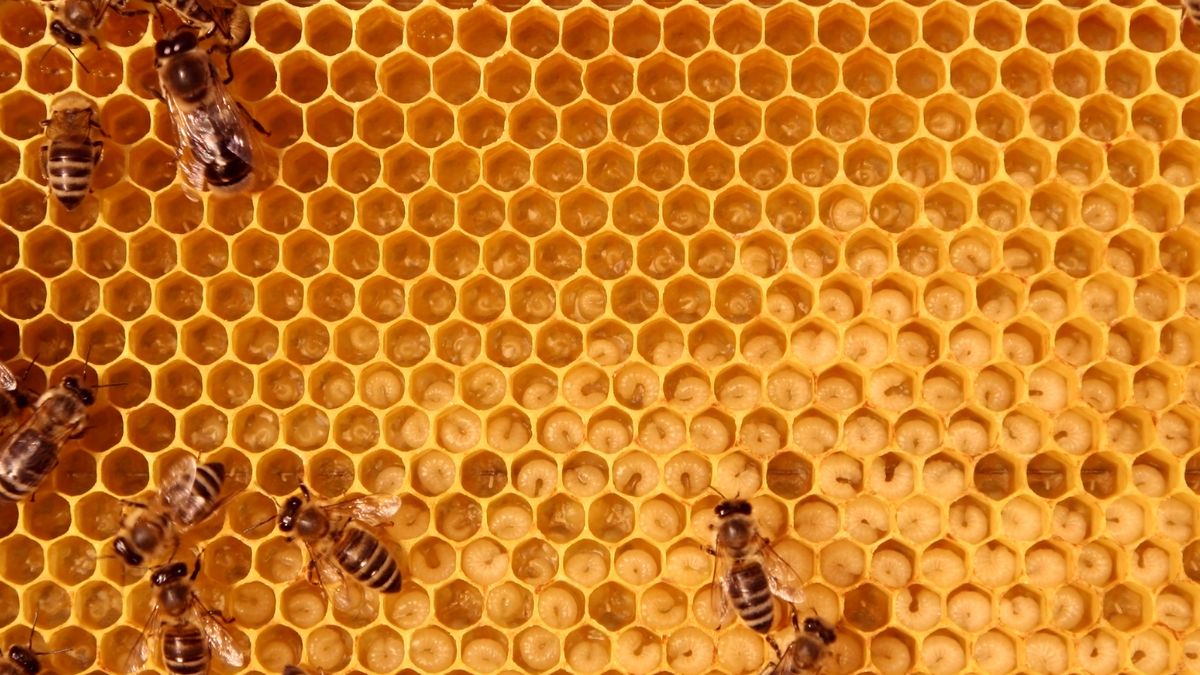
At University College London, researchers have mimicked the behavior of bees to inform drone activity in 3D printing, while similar work at the University of Sheffield aims to optimize delivery systems.
Decentralization and Collective Intelligence
The emergence of decentralized and collective intelligence models from nature offers new paradigms for AI. These systems, observed in insect swarms or plant root networks, function without a central controller, showcasing resilience and flexibility.
This shift encourages researchers to move from traditional monolithic AI models to more adaptable systems.
Nature-Inspired AI Ecosystem
Nature continues to serve as a blueprint for innovation in AI. Cheney Hamilton, CEO at The Find Your Flex Group, emphasizes, ‘AI has evolved by taking inspiration from nature, leading to a shift from traditional modes to incorporating swarm intelligence and neuromorphic computing.’
Swarm intelligence, derived from social insects, demonstrates complex solution development from simple interactions. Mike Mangan, VP of Research at Opteran, notes, ‘Swarm-inspired systems can enhance decision-making algorithms for fleets of autonomous robots.’
Innovative Initiatives
Noteworthy endeavors include the UK’s Advanced Research and Invention Agency (ARIA), which aims to reinvent information processing by leveraging natural computation principles.
‘We are funding numerous projects to revolutionize AI systems using lessons from natural processes,’ ARIA states on its website.
Neuromorphic Computing and Evolutionary Algorithms
Neuromorphic computing, aimed at emulating the efficiency of human brain processing, is another breakthrough area. IBM’s TrueNorth and Intel’s Loihi chips aim to enhance processing efficiency by mimicking biological brain structures.
Moreover, evolutionary algorithms draw from natural selection to evolve solutions in AI, demonstrating that adaptable systems can rise from biological principles.
Conclusion: Balancing Inspiration with Responsibility
As researchers delve into the natural world for insights, they must also adopt caution to ensure that AI systems reflect human values and remain predictable.


- 0 Comments
- Biomimicry
- Nature Inspiration