
How Generative AI is Shaping the Future of Knowledge
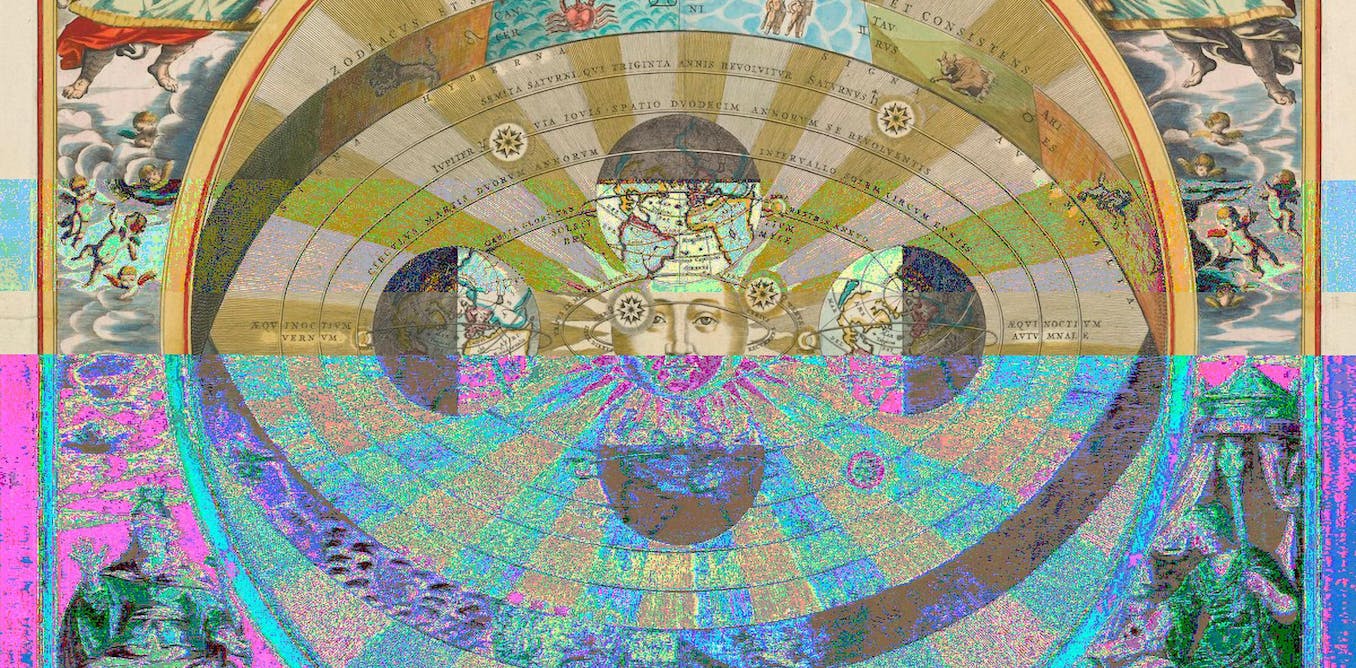
Where would we be without knowledge? Everything from the building of spaceships to the development of new therapies has come about through the creation, sharing, and validation of knowledge. It is arguably our most valuable human commodity.
From clay tablets to electronic tablets, technology has played an influential role in shaping human knowledge. Today we stand on the brink of the next knowledge revolution, as significant as the invention of the printing press or the dawning of the digital age.
Generative artificial intelligence (AI) is a revolutionary new technology able to collect and summarize knowledge from across the internet at the click of a button. Its impact is already being felt from classrooms to boardrooms, laboratories to rainforests.
The Power of the Printing Press
While printing technology had a huge immediate impact, we are still coming to grips with the full scale of its effects on society, primarily due to its ability to spread knowledge to millions.
Human knowledge existed long before the printing press. Non-written forms of knowledge date back tens of thousands of years, and researchers are currently demonstrating the advanced skills associated with verbal knowledge.
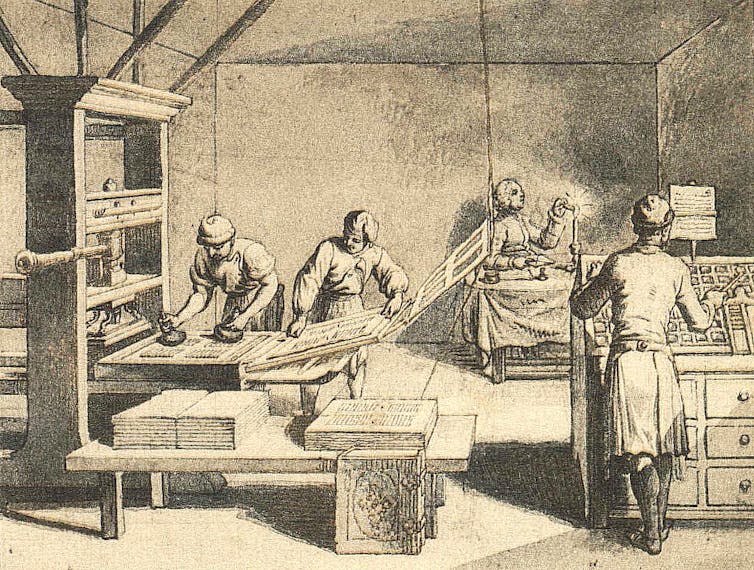
In ancient civilizations, scribal culture played an integral role in preserving legal codes, religious doctrines, or literary texts. However, it was the printing press, invented in Germany around 1440 by Johannes Gutenberg, that democratized knowledge through its ability to produce affordable information for entire populations. This exponential increase in knowledge dissemination has been associated with significant societal shifts.
The Revolutionary Potential of the Digital Age
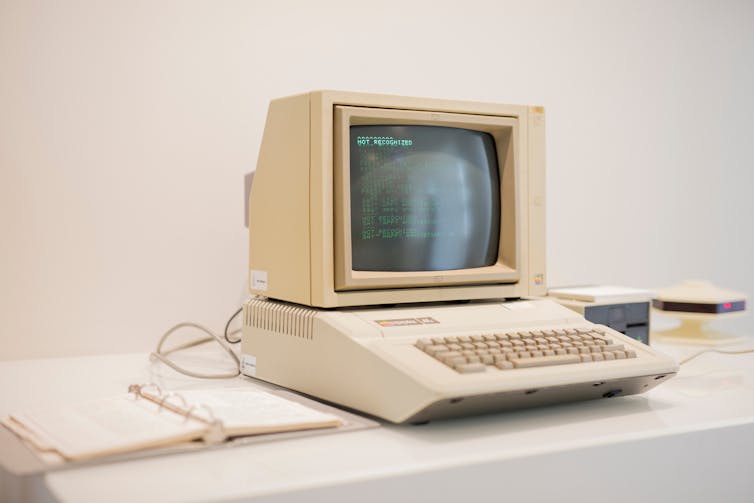
The invention of the computer, and the connecting of multiple computers globally via the internet, marked another knowledge revolution. Often described as a new reality of speaking many-to-many, the internet allows for communication, idea sharing, and learning.
In its early days, digitized chatrooms enabled unmediated information exchange, growing into the world’s largest open-access library.
The Promise of Generative AI
Generative AI refers to sophisticated models capable of generating human-like outputs including text, images, and audio. This technology now promises to serve as a personal librarian, reducing our need to search for physical books.
Trained on vast amounts of information, AI can condense and synthesize data, providing users with knowledgeable responses to their inquiries. However, AI can sometimes deliver unreliable or false information, raising concerns about its impact on knowledge accuracy.
As AI adapts information to suit individual preferences, it presents challenges regarding authorship, ownership, and the complexity of collective knowledge. This technology potentially reduces the distinct voices of many to a singular narrative.

Using Generative AI Wisely
Most knowledge is birthed from debate and challenge. The impact of generative AI on these processes is still debated, with studies presenting mixed results. While some suggest it may enhance creative thinking, other data indicates a potential decline in collective knowledge and critical thinking capabilities.
A historical perspective reminds us of the wisdom in knowing when we lack knowledge. If generative AI makes us information-rich yet thinking-poor, these reflective insights might serve as crucial guidance in navigating the future of knowledge.


- 0 Comments
- Knowledge Revolution