
A Conversation with Reid Hoffman: AI and the Future of Human Agency
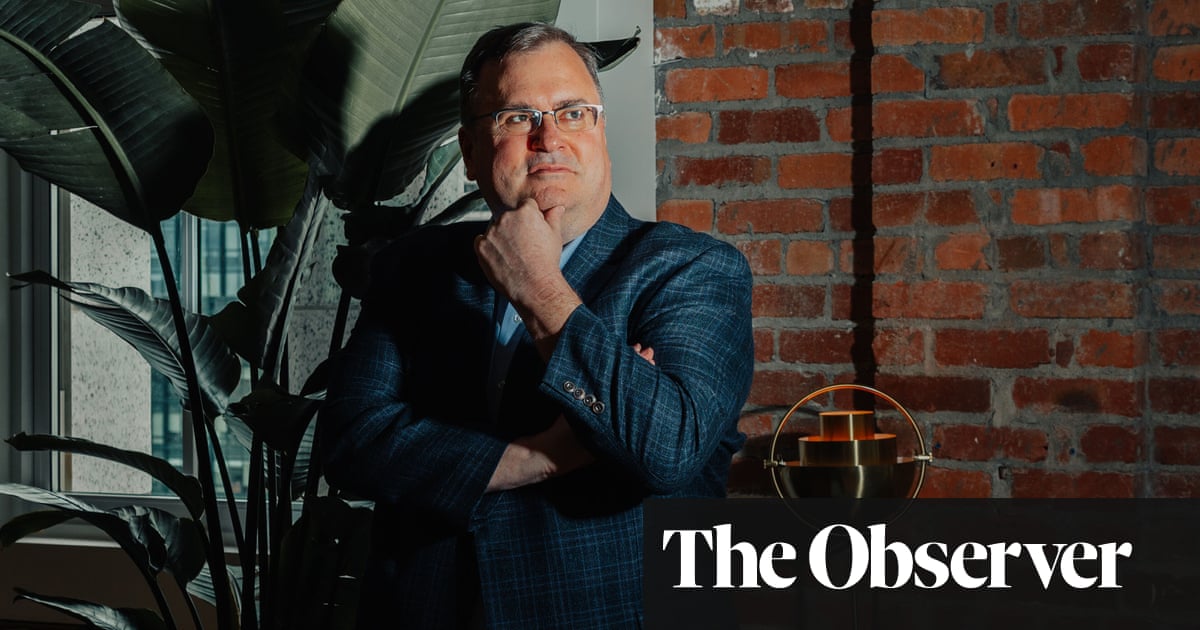
Reid Hoffman, the co-founder of LinkedIn and a prominent figure in Silicon Valley, has recently shared his views on the evolving relationship between artificial intelligence (AI) and human agency. In a candid conversation with the Observer, Hoffman discusses his new book, Superagency, exploring the potential for AI to augment human capabilities while acknowledging the challenges that may arise.
The Promise of AI
Hoffman emphasizes the benefits of AI, suggesting that it could provide ‘cognitive superpowers’ that enhance individual and collective human agency. He states, ‘I want to make people AI-curious, so they begin to explore what these superpowers we all might be getting are.’ He believes that the current wave of AI technology, particularly chatbots like ChatGPT, could lead to significant advancements in human creativity and productivity.
Creativity Over Automation
In contrast to other companies that embrace generative AI to streamline processes, Hoffman argues that preserving the ‘human touch’ in creativity is crucial. He noted, ‘Minecraft is about creativity and creating… it makes us feel happy to create as humans.’ Hoffman advocates for a balanced approach where technology serves to empower rather than replace human creativity.
Adapting to Change
When addressing the potential disruptions caused by AI, Hoffman suggests that while some job roles will inevitably change, technologies must be designed to help individuals adapt. He states, ‘AI will primarily still end up being a co-pilot… we need to build technologies that can help people whose jobs are changing adapt.’ He promotes an idea of transitioning towards a future where the human workforce is augmented rather than replaced.
Responding to Skepticism
Despite the optimism surrounding AI, Hoffman acknowledges the skepticism prevalent among commentators and critics. He refers to these individuals as ‘gloomers,’ arguing that while it’s essential to be cautious, the focus should remain on constructive progress. He insists, ‘You don’t want to stop or massively slow down… the countries that adopt the cognitive Industrial Revolution early will gain significant economic strength.’
On Regulation and Ethics
Hoffman’s perspective on AI regulation reflects the need for a proactive approach, aiming to mitigate risks while fostering innovation. He said, ‘Regulation should be iterative—like deployment… feedback from customers, employees, and the public are all part of steering the path here.’ This highlights the importance of ongoing dialogue regarding the ethical implications of AI technology.
Conclusion: Envisioning a Balanced Future
Hoffman’s discourse encourages a mindset shift towards viewing AI as an amplifier of human potential rather than a mere tool for efficiency. His insight into the interplay between technology and creativity invites further exploration of how society can navigate the complexities of AI, steering towards a future that champions human cooperation with technology.
For more insights from Reid Hoffman, his book Superagency is now available.


- 0 Comments
- Human Agency
- Reid Hoffman